
- All
- Gastrointestinal
- Infections
- Mental
- Musculoskeletal
- Neurological
- Skin
Neurological
Neuro-Acupuncture Support Following Cardiac Surgery With Lower-Extremity Pain
This case study describes an individual who developed peripheral neuropathy–type foot pain, weakness, and shortness of breath following open-heart surgery with mitral valve replacement. Supportive ...
Musculoskeletal
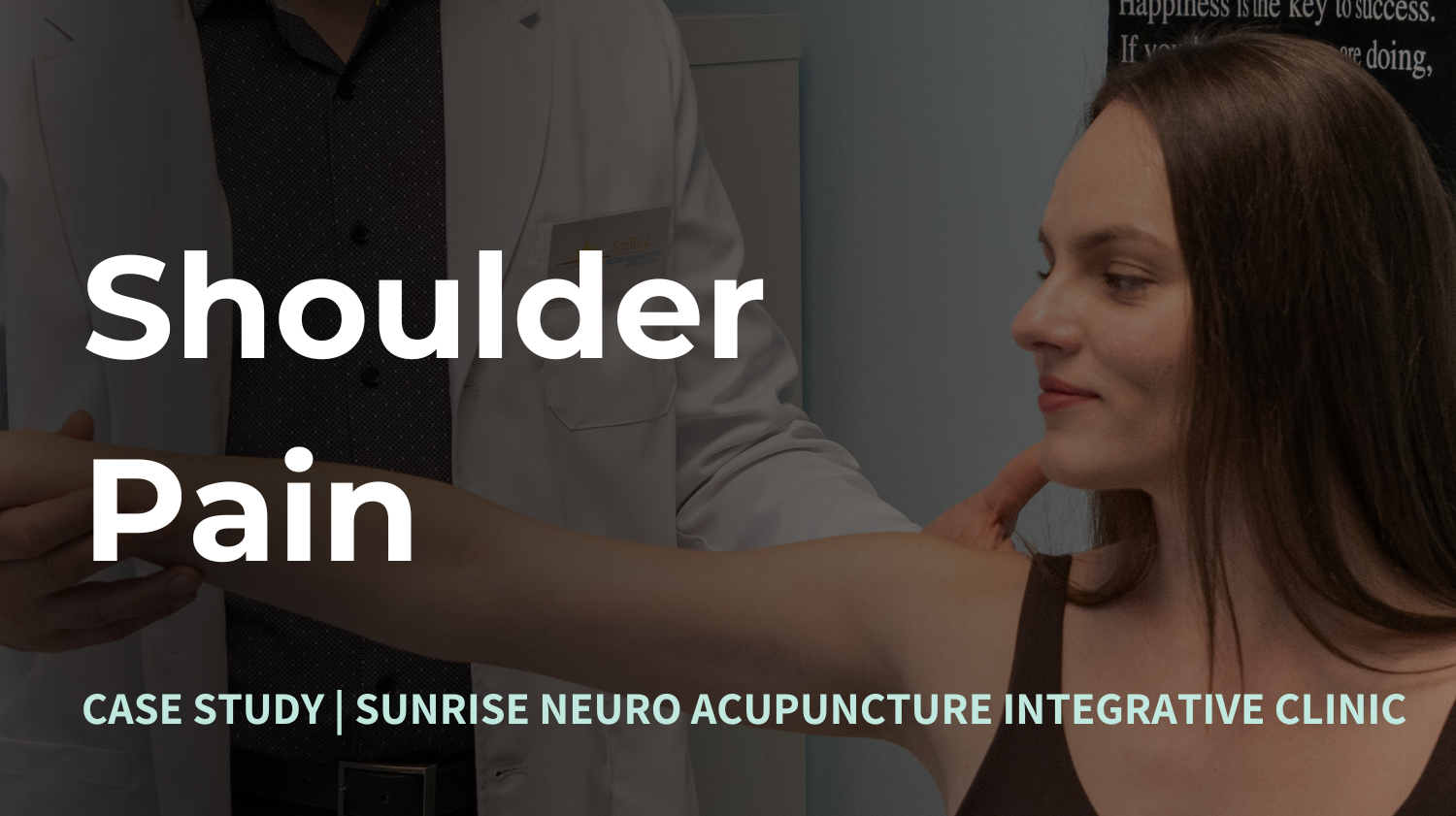
Neuro-Acupuncture and Microcurrent Support for Severe Shoulder Dysfunction
Applied approach for significant shoulder discomfort associated with a supraspinatus tear reported in the patient’s medical assessment. Over the course of care, the individual reported ...
Neurological
Post-Concussion Symptoms and Neuropathic Pain — Case Overview
This case overview describes the use of scalp acupuncture as part of supportive care for a patient experiencing chronic post-concussion symptoms and neuropathic pain. The ...
Neurological
Peripheral Neuropathy Treatment Support Through Neuroacupuncture and Moxibustion
This case describes the use of neuroacupuncture for a patient experiencing long-standing peripheral neuropathy symptoms after oncology treatment. Outcomes reflect the patient’s individual, self-reported experience ...
Musculoskeletal
Chronic Pain After Back Surgeries: Supportive Care With Neuro-Acupuncture
A 65-year-old woman with long-standing lower back and leg pain following multiple spinal surgeries sought supportive care at our clinic. This case describes her reported ...
Infections
Persistent Fever: Supportive Care With Traditional Chinese Medicine | Case Study
A 57-year-old woman with a complex medical history sought supportive Traditional Chinese Medicine (TCM) care for persistent fever and associated symptoms. This case describes her ...